Using Custom Software to Gain a Competitive Edge

Learn how to leverage custom software development solutions to automate tasks, scale your operations, and elevate your business.
Software Testing Strategies for Managed IT Infrastructure

Learn how to protect your managed IT environment from outages through software testing strategies, automation, and security validation.
Cyber Security 101: How to Protect Your Personal Data Online

Learn to safeguard your personal and professional data from modern cyber threats with simple, proactive digital tips on cyber security.
Code & Care: The Future of Custom Healthcare Software

Learn how to improve patient care and clinical workflows by integrating tailored medical software into managed IT infrastructure services.
Aligning Secure Infrastructure with Your Organizational Goals
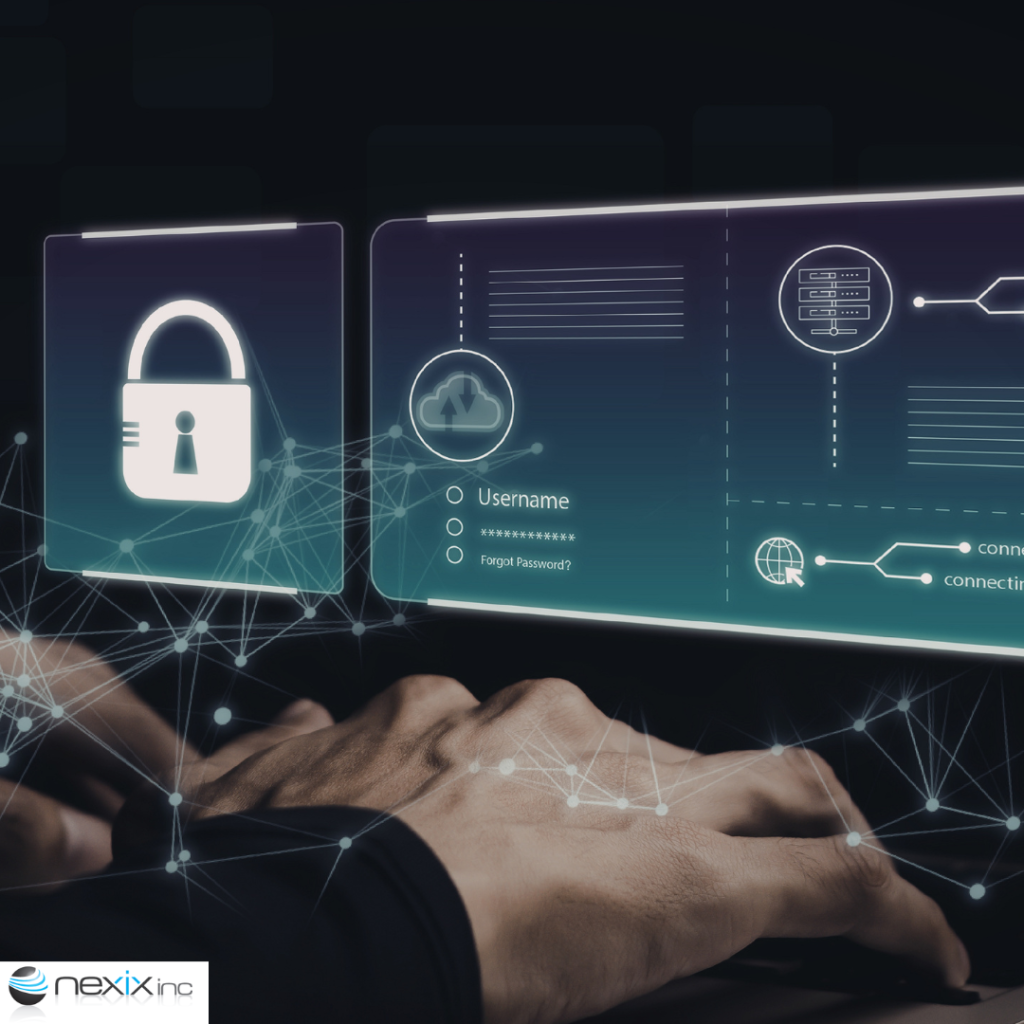
Learn about the critical role secure server hosting plays in protecting your organization’s data and supporting custom software development.
What is Managed IT Services for Small Business and Why Do You Need It?

Learn more about the advantages and benefits of managed IT services for small business without an in-house IT team for your company.
How Managed IT Hosting Can Help You Compete with Companies

Introduction to Managed IT Hosting Running a business in today’s fast-paced world means relying heavily on technology. Ensuring that technology operates seamlessly can be a daunting task. That’s where managed IT hosting comes in. This service allows businesses to entrust the management of their IT systems to experienced professionals, ensuring their digital tools and infrastructure are efficient, secure, and up-to-date. For businesses aiming to make the most of their resources, managed IT hosting offers the perfect blend of convenience and expertise. By shifting the responsibility of IT management to a dedicated provider, business owners can eliminate the guesswork and stress that often accompany technical challenges. Managed IT hosting providers take care of essential tasks like system monitoring, managing Microsoft Office 365, and enabling authenticators , helping businesses avoid disruptions and keep everything running smoothly. Cost-Effective Solutions Finding ways to save money without sacrificing quality is crucial for any business, especially when operating with a limited budget. Managed IT hosting provides a practical way to optimize costs by outsourcing IT needs to a trusted provider. Instead of investing in expensive hardware or maintaining an in-house IT team, businesses can take advantage of a service that covers everything from security authenticator to support ticketing system for a predictable and manageable fee. Research indicates that addressing IT staffing issues through outsourcing can correlate with up to 125% higher profit growth, highlighting the financial benefits of managed IT services. This efficiency allows companies to redirect those saved costs toward other priorities, such as growth or customer engagement initiatives. Additionally, managed IT hosting eliminates the potential costs of downtime or security breaches, which can be especially damaging for smaller businesses. Managed services also give businesses access to tools and expertise that might otherwise require significant investment, offering an affordable way to benefit from advanced technologies that drive efficiency and performance. Through these cost-effective strategies, businesses can maximize their budget while still maintaining a robust IT infrastructure that supports their goals. Managed IT Hosting Support and Service With managed IT hosting, your small businesses will gain access to a team of professionals who specialize in keeping systems secure, efficient, and reliable. These experts handle the technical details, from routine maintenance to addressing complex issues, ensuring that critical systems function smoothly. Managed IT hosting providers often bring years of experience and insight to the table, offering guidance tailored to specific needs. They stay current with industry best practices and emerging technologies, so businesses don’t have to worry about the ever-changing IT landscape. Whether it’s proactive system monitoring, software updates, or troubleshooting unexpected issues, these professionals make sure that IT infrastructure remains a strong backbone for daily operations. Improved Focus on Core Business Managing the day-to-day aspects of IT can often take time and energy away from the activities that drive a business forward. When technical responsibilities are handled by a managed IT hosting provider, businesses have the chance to focus their efforts on initiatives that matter most, like building relationships with customers, developing new products or services, and refining overall operations. This shift in priorities helps reduce unnecessary distractions, creating space for innovation and strategic decision-making. Delegating IT tasks to professionals means that essential functions are no longer a burden on internal teams. Instead, employees can direct their talents and expertise toward achieving key objectives, fostering a more productive and engaged work environment. It’s easier to make progress toward long-term goals when the operational side of technology is running smoothly in the background. Another benefit of managed hosting is the ability to adapt quickly to new demands without being weighed down by technology-related bottlenecks. Teams can approach their work with confidence, knowing they have reliable systems and expert support in place. This creates an environment where priorities are clear, and decision-makers can focus on moving their business forward, rather than addressing avoidable disruptions. Contact Nexix today for your free consultation!
Custom Software Development: Benefits & Business Advantages

Technology has become the backbone of modern business operations. From managing customer relationships and automating workflows to analyzing data and improving productivity, software plays a critical role in helping organizations stay competitive. However, many businesses eventually discover that off-the-shelf software doesn’t always meet their unique needs and can come at high prices. Thankfully, custom software development allows businesses to build technology solutions specifically designed around their processes, goals, and challenges. Rather than adapting operations to fit generic software, organizations can create systems that support the way they work. In this blog post, we’ll explore what custom software development is, its key benefits, and why more companies are investing in tailored software solutions. What Is Custom Software Development? Custom software development is the process of designing, building, deploying, and maintaining software applications that are created specifically for a particular organization or business need. Unlike off-the-shelf software, which is designed for a broad audience, custom software is developed to address unique requirements, workflows, and objectives. Examples of custom software include: Customer relationship management (CRM) systems Inventory management platforms Web applications Mobile applications Enterprise resource planning (ERP) systems Business process automation software By creating custom software tailored to specific operational requirements, businesses gain greater flexibility and control over their technology. Benefits of Custom Software Development 1. Tailored to Your Business Needs One of the biggest advantages of custom software development is that the solution is built around your business rather than forcing your business to adapt to the software. Every organization has unique processes, workflows, and goals. Custom software allows companies to create features and functionality that directly support those requirements, eliminating unnecessary tools and limitations. As a result, employees can work more efficiently and focus on tasks that drive business growth. 2. Improved Efficiency and Productivity Manual processes and disconnected systems often slow down operations and increase the risk of errors. Custom software can automate repetitive tasks, streamline workflows, and integrate various business functions into a single platform. This reduces administrative work and helps employees complete tasks more quickly and accurately. Businesses that invest in custom software solutions often experience significant productivity improvements across their company. 3. Scalability for Future Growth As businesses grow, their technology needs evolve. Off-the-shelf software may struggle to accommodate new users, additional features, or changing business requirements. Custom software is designed with scalability in mind, allowing you to expand functionality as needed. Whether adding new modules, integrating systems, or supporting increased user demand, custom applications can grow alongside the business. 4. Enhanced Security Cybersecurity threats continue to increase across all industries. While commercial software providers invest heavily in security, popular software platforms can become attractive targets for cybercriminals. Custom software development enables businesses to implement security measures that align with their specific requirements and compliance obligations. Features such as advanced authentication, encryption, role-based access controls, and secure integrations can help protect sensitive business and customer data. 5. Competitive Advantage Businesses that leverage custom technology often gain an edge over competitors. Custom software can improve customer experiences, increase operational efficiency, and enable innovative services that competitors may not offer. By creating unique capabilities tailored to market demands, organizations can differentiate themselves and strengthen their position within their industry. Custom Software vs. Off-the-Shelf Software When evaluating software options, businesses often compare custom solutions to commercially available software products. Off-the-Shelf Software Advantages: Lower upfront cost Faster implementation Established support and documentation Disadvantages: Limited customization Ongoing subscription fees Unnecessary features Integration challenges Custom Software Advantages: Designed specifically for business needs Greater flexibility and scalability Improved integration capabilities Full ownership and control Disadvantages: Higher initial investment Longer development timeline Requires ongoing maintenance Signs Your Business Needs Custom Software Development Your business may benefit from custom software development if employees rely heavily on spreadsheets and manual processes, existing software lacks essential features, or multiple systems fail to communicate effectively. These challenges can create inefficiencies, increase the risk of errors, and limit overall productivity. Custom software can also be a valuable investment when business growth is being constrained by technology, specialized functionality is required that commercial solutions cannot provide, or security and compliance requirements are becoming more complex. Additionally, as customer expectations continue to evolve, businesses may need customized digital solutions to deliver a better user experience. Recognizing these challenges early allows organizations to invest in technology that supports efficiency, scalability, and long-term success. Choosing the Right Custom Software Development Company Selecting the right software development partner is critical to the success of any custom software project. Beyond technical expertise, businesses should look for a provider that takes the time to understand their operations, goals, and long-term growth plans. At Nexix, we work closely with small businesses throughout every stage of the development process, from initial discovery and planning to deployment and ongoing maintenance. Our team focuses on creating scalable, secure, and user-friendly software solutions that align with each organization’s unique requirements. By combining technical expertise with a business-to-business approach, we help companies streamline operations, improve efficiency, and build software solutions that support long-term growth. Conclusion Custom software development gives businesses the ability to create technology solutions that align perfectly with their operational needs, growth objectives, and customer expectations. While off-the-shelf software may work for some organizations, businesses with unique workflows often benefit from the flexibility, scalability, and competitive advantages that custom software provides. Request a free consultation today to start planning your custom software project.
Does Your Business Need Managed IT Services?

As businesses become increasingly dependent on technology, managing IT infrastructure, security, and support can be challenging without the right tools and processes in place. If you’re struggling with tech issues, downtime, or rising IT costs, it may be time to consider hiring an IT company for managed IT services. In this blog post, we’ll explain what managed IT services are, the benefits, and how to tell if your business would benefit from partnering with an IT provider like Nexix. What Are Managed IT Services? Managed IT services provide a proactive solution by having a team of technology experts who monitor, maintain, and secure your systems on an ongoing basis. Rather than reacting to problems after they occur, managed IT services help prevent disruptions before they impact your business. Switching from in-house IT to a managed IT service provider, your business will reduce downtime, strengthen security, and ensure your technology continues to support your growth. Additionally, you can focus on serving your customers, increase productivity, and achieve your business goals. Signs Your Business Might Need Managed IT Services 1. IT Issues Are Becoming More Problematic If your team is constantly distracted by tech problems, it’s pulling attention away from core business activities. Managed IT service providers handle day-to-day technical problems, allowing for you to stay focused on your objectives. 2. Little to No Cybersecurity If you’re not sure how secure your network is, or haven’t reviewed your cybersecurity in over a year, you’re at risk. Many businesses do not recognize the importance of cybersecurity until they experience a security incident, at which point the damage may already be done. IT service providers will stay up to date on the latest threats and implement protection before problems occur. 3. You Don’t Have a Dedicated IT Staff Small and medium-sized businesses often don’t have in-house IT experts, and the costs of hiring a dedicated staff is too great. Managed IT services give you access to an entire team of professionals for less than the cost of hiring full-time staff. 4. Technology Is Holding Back Growth If your systems are outdated, slow, or not scaling with your business, a managed IT provider can help you modernize, automate, and streamline operations with the right tools, allowing for you to get back to what really matters for your business. Benefits of IT Services One of the biggest benefits of managed IT services is giving your business access to experienced technology professionals without the expense of maintaining a full in-house IT team. With proactive ticket system monitoring and cybersecurity protection to technical support and data backup, managed IT providers help prevent problems before they impact your operations. This not only reduces downtime and improves productivity but also allows you to focus on growing your business rather than troubleshooting technology issues. Additionally, with reliable support and scalable solutions, managed IT services provide the foundation small businesses need to operate efficiently and confidently in an increasingly digital environment. Questions to Ask Are we reacting to IT problems rather than preventing them? Are we confident our systems are secure? Is our current IT setup holding back growth? Could downtime or data loss hurt our reputation or bottom line? Is Managed IT Services Right for Your Business? Whether you’re a small business with no IT staff or a growing company looking for scalable tech support, managed IT services can offer peace of mind, cost savings, and operational efficiency. We offer free consultations to help you evaluate your current systems and see if managed IT services is a good fit for you. Contact Nexix today for a free consultation and see how managed IT services can transform your business.
From Spreadsheets to Custom Software Development
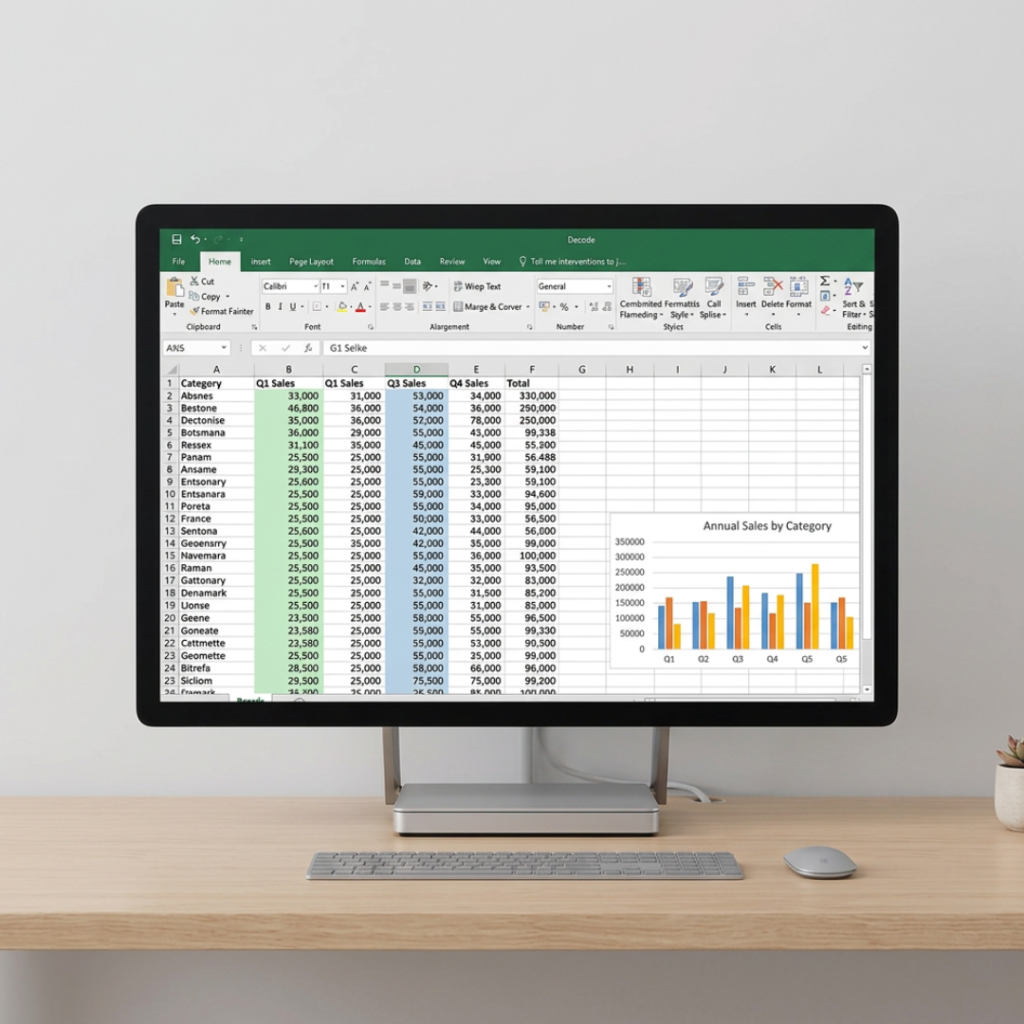
In today’s fast-paced business world, spreadsheets are a thing of the past. Businesses are constantly searching for ways to enhance efficiency and optimize their operations. Fortunately, custom software development has been a growing solution for many companies, and marks a significant turning point for efficiency and productivity within enterprises. Custom software not only addresses the limitations of traditional spreadsheets but also empowers businesses with tailored features that cater to their unique needs. In this blog post, we will explore this transformative journey from recognizing the constraints of spreadsheets to successfully implementing custom software development. The Limitations of Spreadsheets Spreadsheets have long been an integral part of business operations due to their flexibility and user-friendly interface. However, as companies grow, and operations become more complex, the inherent limitations of spreadsheets become more pronounced. A common issue with the use of spreadsheets is the difficulty in managing large volumes of data. As data sets expand, spreadsheets become inadequate and slow. Additionally, errors in data entry or formula creation can lead to significant inaccuracies, which may affect decision-making processes. Another critical shortfall is the lack of real-time collaboration features, making it challenging for multiple users to work simultaneously on the same data set without version control problems. In addition, spreadsheets can only provide a certain level of analysis, preventing businesses from understanding the trends and patterns in their data. Finally, the security features in spreadsheets are often insufficient for protecting sensitive information, posing risks for companies that handle confidential data. These limitations drive businesses to seek scalable solutions like custom software development. What are the Benefits of Custom Software Development Custom software development offers numerous benefits that make it a worthwhile investment for businesses looking to enhance their operations. One of the most significant advantages is customization. Custom software is designed to meet the unique needs of your business, providing specific features and functionalities that spreadsheets cannot offer. Custom software also provides scalability, allowing businesses to adapt and grow without the constraints and cost of traditional tools. Another benefit of custom software includes enhanced security measures that ensure sensitive information is protected. Custom software often includes advanced analytics and reporting tools enabling more informed decision-making. Finally, by developing custom software, companies can streamline processes and focus more on the core operations of business. Why Choose Custom Software Development Acknowledging the limitations of spreadsheets frequently leads businesses to reassess how they manage and use their data, as well as everyday processes. If your business is experiencing rapid growth or outgrowing current processes, which can include outdated spreadsheets, you will have more success developing your own custom software rather than relying on multiple separate tools to maintain current operations. Custom software development offers a compelling alternative designed to address specific operational challenges that off the shelf tools are unable to manage. Customizing your software will allow businesses to have only what you need, and enables them to enhance their operational efficiency and achieve more accurate, data-driven decision-making. The Process of Custom Software Development Developing custom software involves a series of crucial steps, each designed to ensure the final product effectively meets business needs. Consultation: The process kicks off with a comprehensive analysis and consultation to gather the requirements of your business. This phase is essential for understanding the specific challenges and objectives your software aims to address. Design phase: The design phase translates requirements into a concrete plan outlining the software’s architecture, user interface, and core functionalities. Development: The actual development work begins. This stage is dynamic, involving constant coding, testing, and refining to ensure the software performs as intended. Quality assurance plays a significant role here with testing to identify and resolve any issues that could hinder functionality. Final Testing: Once development is complete, the software undergoes a final round of testing before deployment. This ensures that all components are functioning cohesively. Deployment: This is when the software is being used by the end user. Ongoing support and updates are crucial to address any emerging issues, and to adapt the software to evolving business needs. Regular maintenance ensures the software remains effective and continues to deliver value over time. Future Trends in Business Data Management As technology advances, several emerging trends are set to redefine business data management. Artificial intelligence (AI) and machine learning (ML) are at the forefront offering capabilities, such as predictive analytics and process automation. These technologies enable businesses to analyze large amounts of data quickly and accurately, uncovering insights that were previously inaccessible. Cloud-based solutions are also transforming data management, providing scalable, flexible, and cost-effective options for storing and processing data. The accessibility of cloud platforms ensures that businesses can manage their data from anywhere. Another trend is the emphasis on data privacy and security. With increasing regulatory requirements and growing concerns about data breaches, businesses are adopting more sophisticated encryption methods and access controls to protect sensitive information. Staying up to date with these trends will enable your business to remain competitive in an ever-evolving digital landscape. Embracing the Future with Custom Software Development Transitioning from spreadsheets to custom software development signifies a pivotal advancement in how your business can manage and utilize data. By addressing the limitations of traditional spreadsheets, custom software development can enhance operational efficiency, improve data accuracy, and support strategic growth. By developing custom software, your business will not only streamline current operations, but will future-proof themselves against the ever-changing digital landscape and maintain a competitive edge in their industries. Contact Nexix today and let us assist you with sophisticated custom software solutions.