 In today’s high-stakes healthcare environment, off-the-shelf technology quickly causes operational bottlenecks. Furthermore, healthcare providers face unique workflows and regulatory burdens. These specific challenges demand tailored solutions. However, embarking on custom medical software development involves more than just writing new code. Instead, you must strategically integrate these tools into your existing managed IT infrastructure.
First, a custom application is only as powerful as its supporting network. When experts design it correctly, a bespoke system bridges the gap between clinical operations and IT. As a result, patient scheduling and secure data storage work in perfect harmony. Additionally, this strategy allows facilities to automate repetitive tasks and scale operations smoothly. Moreover, clinics can deploy advanced artificial intelligence tools to drive better business decisions.
Most importantly, solid managed IT services anchor these custom solutions. Consequently, they provide ultimate peace of mind regarding regulatory compliance. In today’s landscape, healthcare data breaches are incredibly costly. Specifically, they average nearly $9.8 million per incident. Therefore, clinics need software explicitly built to navigate complex privacy regulations. Ultimately, this careful approach ensures sensitive patient data remains completely secure.
The Strategic Benefits of Custom Medical Software Development
- Eliminating Administrative Friction: Custom medical platforms shine when developers build them to automate repetitive, time-draining tasks. For instance, you can easily streamline everything from appointment scheduling to complex billing cycles. Thus, you instantly reduce the daily administrative burden.
- Centralized and Secure Data Integration: Siloed information creates a massive liability in modern healthcare. Fortunately, custom software integrates deeply into your existing managed infrastructure. This crucial step ensures you centralize patient records, treatment plans, and diagnostic results. Consequently, entire multidisciplinary teams access a single, up-to-date source of truth. As a result, communication improves, errors plummet, and patient outcomes soar.
- Business Intelligence and Analytics: Modern custom solutions go far beyond basic data entry. Specifically, they incorporate powerful analytics and comprehensive reporting tools. By strategically implementing AI-driven insights, administrators can track operational performance easily. Furthermore, they can predict resource bottlenecks and accurately evaluate treatment effectiveness.
- Future-Proof Scalability: A successful medical practice inevitably grows over time. Naturally, its supporting technology must grow alongside it. Scalable managed IT environments support these custom-built systems perfectly. Therefore, you can roll out updates or add new facility branches seamlessly. Moreover, you can introduce specialized services without replacing your core software.
Essential Features for Clinical Success
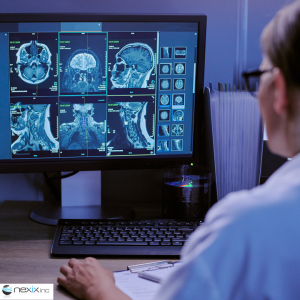 Seamless Interoperability: A new application cannot exist on an isolated island. Instead, it must communicate effortlessly with your current Electronic Health Records (EHR). It must also connect smoothly with laboratory systems and billing tools. Ultimately, designing for true interoperability ensures vital information flows securely across the entire facility.
- Real-Time Data at the Point of Care: Healthcare decisions happen in seconds, not hours. For example, a surgeon might be in the operating room. Alternatively, a specialist might consult with a patient remotely. In either scenario, medical staff must have immediate, secure access to real-time patient data.
- Intuitive Patient Portals: The patient experience extends far beyond the physical exam room. Therefore, custom software should always include secure, user-friendly portals. These portals allow patients to view test results and manage their appointments effortlessly. Additionally, they help patients communicate with their care teams securely. Consequently, this easy access drives higher engagement and overall satisfaction.
The Power of Managed IT Services
Ultimately, launching a new platform is only the beginning of your journey. You realize the true value of any technological upgrade through continuous infrastructure management. First, you must shift focus away from standalone custom medical software development. Next, you should prioritize robust managed IT services for long-term success. For instance, you need routine security patching and consistent server optimization. Through these proactive steps, healthcare facilities ensure their systems remain resilient against cyber threats.
In conclusion, a comprehensive infrastructure strategy guarantees that your critical clinical tools remain available. Furthermore, it keeps them secure and operating at peak performance when patients need them most.Contact Nexix today for your free consultation!