Code & Care: The Future of Custom Healthcare Software

Learn how to improve patient care and clinical workflows by integrating tailored medical software into managed IT infrastructure services.
What is Managed IT Services for Small Business and Why Do You Need It?

Learn more about the advantages and benefits of managed IT services for small business without an in-house IT team for your company.
Custom Software Development: Benefits & Business Advantages

Technology has become the backbone of modern business operations. From managing customer relationships and automating workflows to analyzing data and improving productivity, software plays a critical role in helping organizations stay competitive. However, many businesses eventually discover that off-the-shelf software doesn’t always meet their unique needs and can come at high prices. Thankfully, custom software development allows businesses to build technology solutions specifically designed around their processes, goals, and challenges. Rather than adapting operations to fit generic software, organizations can create systems that support the way they work. In this blog post, we’ll explore what custom software development is, its key benefits, and why more companies are investing in tailored software solutions. What Is Custom Software Development? Custom software development is the process of designing, building, deploying, and maintaining software applications that are created specifically for a particular organization or business need. Unlike off-the-shelf software, which is designed for a broad audience, custom software is developed to address unique requirements, workflows, and objectives. Examples of custom software include: Customer relationship management (CRM) systems Inventory management platforms Web applications Mobile applications Enterprise resource planning (ERP) systems Business process automation software By creating custom software tailored to specific operational requirements, businesses gain greater flexibility and control over their technology. Benefits of Custom Software Development 1. Tailored to Your Business Needs One of the biggest advantages of custom software development is that the solution is built around your business rather than forcing your business to adapt to the software. Every organization has unique processes, workflows, and goals. Custom software allows companies to create features and functionality that directly support those requirements, eliminating unnecessary tools and limitations. As a result, employees can work more efficiently and focus on tasks that drive business growth. 2. Improved Efficiency and Productivity Manual processes and disconnected systems often slow down operations and increase the risk of errors. Custom software can automate repetitive tasks, streamline workflows, and integrate various business functions into a single platform. This reduces administrative work and helps employees complete tasks more quickly and accurately. Businesses that invest in custom software solutions often experience significant productivity improvements across their company. 3. Scalability for Future Growth As businesses grow, their technology needs evolve. Off-the-shelf software may struggle to accommodate new users, additional features, or changing business requirements. Custom software is designed with scalability in mind, allowing you to expand functionality as needed. Whether adding new modules, integrating systems, or supporting increased user demand, custom applications can grow alongside the business. 4. Enhanced Security Cybersecurity threats continue to increase across all industries. While commercial software providers invest heavily in security, popular software platforms can become attractive targets for cybercriminals. Custom software development enables businesses to implement security measures that align with their specific requirements and compliance obligations. Features such as advanced authentication, encryption, role-based access controls, and secure integrations can help protect sensitive business and customer data. 5. Competitive Advantage Businesses that leverage custom technology often gain an edge over competitors. Custom software can improve customer experiences, increase operational efficiency, and enable innovative services that competitors may not offer. By creating unique capabilities tailored to market demands, organizations can differentiate themselves and strengthen their position within their industry. Custom Software vs. Off-the-Shelf Software When evaluating software options, businesses often compare custom solutions to commercially available software products. Off-the-Shelf Software Advantages: Lower upfront cost Faster implementation Established support and documentation Disadvantages: Limited customization Ongoing subscription fees Unnecessary features Integration challenges Custom Software Advantages: Designed specifically for business needs Greater flexibility and scalability Improved integration capabilities Full ownership and control Disadvantages: Higher initial investment Longer development timeline Requires ongoing maintenance Signs Your Business Needs Custom Software Development Your business may benefit from custom software development if employees rely heavily on spreadsheets and manual processes, existing software lacks essential features, or multiple systems fail to communicate effectively. These challenges can create inefficiencies, increase the risk of errors, and limit overall productivity. Custom software can also be a valuable investment when business growth is being constrained by technology, specialized functionality is required that commercial solutions cannot provide, or security and compliance requirements are becoming more complex. Additionally, as customer expectations continue to evolve, businesses may need customized digital solutions to deliver a better user experience. Recognizing these challenges early allows organizations to invest in technology that supports efficiency, scalability, and long-term success. Choosing the Right Custom Software Development Company Selecting the right software development partner is critical to the success of any custom software project. Beyond technical expertise, businesses should look for a provider that takes the time to understand their operations, goals, and long-term growth plans. At Nexix, we work closely with small businesses throughout every stage of the development process, from initial discovery and planning to deployment and ongoing maintenance. Our team focuses on creating scalable, secure, and user-friendly software solutions that align with each organization’s unique requirements. By combining technical expertise with a business-to-business approach, we help companies streamline operations, improve efficiency, and build software solutions that support long-term growth. Conclusion Custom software development gives businesses the ability to create technology solutions that align perfectly with their operational needs, growth objectives, and customer expectations. While off-the-shelf software may work for some organizations, businesses with unique workflows often benefit from the flexibility, scalability, and competitive advantages that custom software provides. Request a free consultation today to start planning your custom software project.
From Spreadsheets to Custom Software Development
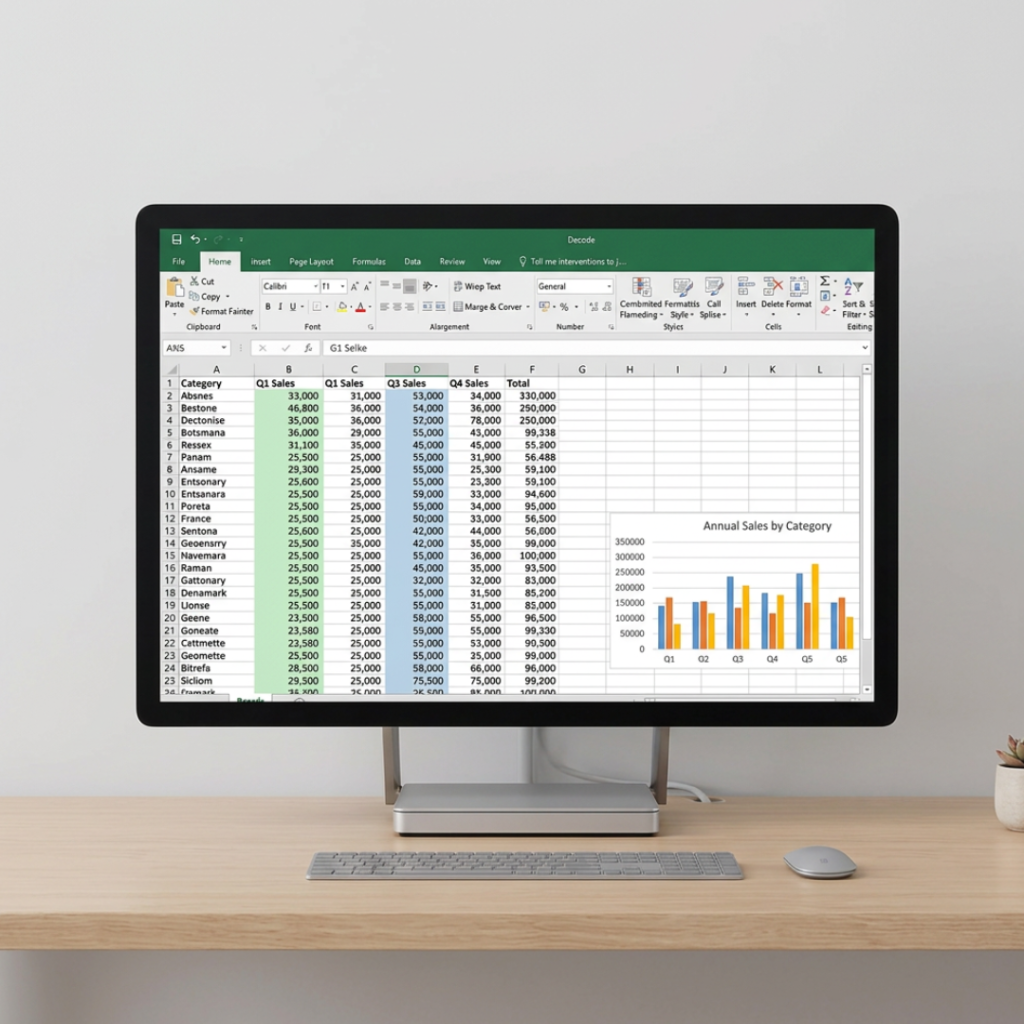
In today’s fast-paced business world, spreadsheets are a thing of the past. Businesses are constantly searching for ways to enhance efficiency and optimize their operations. Fortunately, custom software development has been a growing solution for many companies, and marks a significant turning point for efficiency and productivity within enterprises. Custom software not only addresses the limitations of traditional spreadsheets but also empowers businesses with tailored features that cater to their unique needs. In this blog post, we will explore this transformative journey from recognizing the constraints of spreadsheets to successfully implementing custom software development. The Limitations of Spreadsheets Spreadsheets have long been an integral part of business operations due to their flexibility and user-friendly interface. However, as companies grow, and operations become more complex, the inherent limitations of spreadsheets become more pronounced. A common issue with the use of spreadsheets is the difficulty in managing large volumes of data. As data sets expand, spreadsheets become inadequate and slow. Additionally, errors in data entry or formula creation can lead to significant inaccuracies, which may affect decision-making processes. Another critical shortfall is the lack of real-time collaboration features, making it challenging for multiple users to work simultaneously on the same data set without version control problems. In addition, spreadsheets can only provide a certain level of analysis, preventing businesses from understanding the trends and patterns in their data. Finally, the security features in spreadsheets are often insufficient for protecting sensitive information, posing risks for companies that handle confidential data. These limitations drive businesses to seek scalable solutions like custom software development. What are the Benefits of Custom Software Development Custom software development offers numerous benefits that make it a worthwhile investment for businesses looking to enhance their operations. One of the most significant advantages is customization. Custom software is designed to meet the unique needs of your business, providing specific features and functionalities that spreadsheets cannot offer. Custom software also provides scalability, allowing businesses to adapt and grow without the constraints and cost of traditional tools. Another benefit of custom software includes enhanced security measures that ensure sensitive information is protected. Custom software often includes advanced analytics and reporting tools enabling more informed decision-making. Finally, by developing custom software, companies can streamline processes and focus more on the core operations of business. Why Choose Custom Software Development Acknowledging the limitations of spreadsheets frequently leads businesses to reassess how they manage and use their data, as well as everyday processes. If your business is experiencing rapid growth or outgrowing current processes, which can include outdated spreadsheets, you will have more success developing your own custom software rather than relying on multiple separate tools to maintain current operations. Custom software development offers a compelling alternative designed to address specific operational challenges that off the shelf tools are unable to manage. Customizing your software will allow businesses to have only what you need, and enables them to enhance their operational efficiency and achieve more accurate, data-driven decision-making. The Process of Custom Software Development Developing custom software involves a series of crucial steps, each designed to ensure the final product effectively meets business needs. Consultation: The process kicks off with a comprehensive analysis and consultation to gather the requirements of your business. This phase is essential for understanding the specific challenges and objectives your software aims to address. Design phase: The design phase translates requirements into a concrete plan outlining the software’s architecture, user interface, and core functionalities. Development: The actual development work begins. This stage is dynamic, involving constant coding, testing, and refining to ensure the software performs as intended. Quality assurance plays a significant role here with testing to identify and resolve any issues that could hinder functionality. Final Testing: Once development is complete, the software undergoes a final round of testing before deployment. This ensures that all components are functioning cohesively. Deployment: This is when the software is being used by the end user. Ongoing support and updates are crucial to address any emerging issues, and to adapt the software to evolving business needs. Regular maintenance ensures the software remains effective and continues to deliver value over time. Future Trends in Business Data Management As technology advances, several emerging trends are set to redefine business data management. Artificial intelligence (AI) and machine learning (ML) are at the forefront offering capabilities, such as predictive analytics and process automation. These technologies enable businesses to analyze large amounts of data quickly and accurately, uncovering insights that were previously inaccessible. Cloud-based solutions are also transforming data management, providing scalable, flexible, and cost-effective options for storing and processing data. The accessibility of cloud platforms ensures that businesses can manage their data from anywhere. Another trend is the emphasis on data privacy and security. With increasing regulatory requirements and growing concerns about data breaches, businesses are adopting more sophisticated encryption methods and access controls to protect sensitive information. Staying up to date with these trends will enable your business to remain competitive in an ever-evolving digital landscape. Embracing the Future with Custom Software Development Transitioning from spreadsheets to custom software development signifies a pivotal advancement in how your business can manage and utilize data. By addressing the limitations of traditional spreadsheets, custom software development can enhance operational efficiency, improve data accuracy, and support strategic growth. By developing custom software, your business will not only streamline current operations, but will future-proof themselves against the ever-changing digital landscape and maintain a competitive edge in their industries. Contact Nexix today and let us assist you with sophisticated custom software solutions.